
Top Seismic Retrofitting Service Products for Enhanced Building Safety
Explore leading solutions designed to strengthen structures against earthquakes and ensure long-term safety and stability.
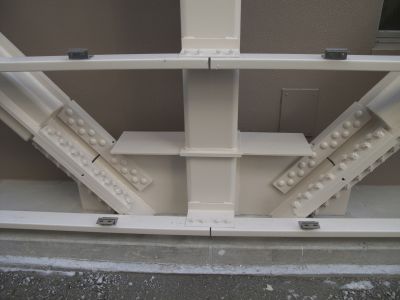 Seismic retrofitting products are essential components used to enhance the structural resilience of buildings in earthquake-prone areas. These products are designed to improve a building's ability to withstand seismic forces, thereby reducing potential damage and safeguarding occupants. The selection of appropriate retrofit solutions depends on various factors such as building type, age, and specific seismic risks. Commonly, these products include a range of structural reinforcements, foundation supports, and damping systems that work together to improve overall stability.
Top Overall Option
Structural Reinforcement System
A comprehensive structural reinforcement system combines various components such as shear walls, bracing, and foundation anchors to enhance building stability. These systems are adaptable to different building types and can be tailored to specific seismic risks, offering a versatile solution for retrofitting projects. Properly designed and installed, they can improve a building's resilience by increasing ductility and energy dissipation capacity.
Types of Products For Seismic Retrofitting Service
Shear Wall Reinforcements
Vertical walls designed to resist lateral forces and improve structural stability during earthquakes.
Base Isolators
Devices placed between a building and its foundation to absorb seismic energy and reduce transmitted forces.
Bracing Systems
Diagonal braces that provide lateral support to frames and walls, enhancing overall rigidity.
Moment Frames
Reinforced frames that allow for flexibility while resisting seismic forces, often used in retrofit projects.
Foundation Anchors
Anchoring systems that secure the building's foundation to resist uplift and lateral movement.
Dampers and Shock Absorbers
Devices that dissipate seismic energy, reducing the forces transmitted to the structure.
Steel Brackets and Connectors
Metal components used to reinforce joints and connections within the building framework.
Reinforced Concrete Piles
Deep foundation supports that strengthen the building's base in seismic zones.
Seismic Isolation Pads
Flexible pads that decouple the building from ground motion, reducing seismic impact.
Cross-Laminated Timber Elements
Engineered wood products used to retrofit and reinforce existing wooden structures.
Energy Dissipation Devices
Components designed to absorb and dissipate seismic energy, protecting the main structure.
Wall Reinforcement Plates
Metal plates used to strengthen existing walls and prevent failure during seismic activity.
Post-Tensioning Systems
Cable systems that apply tension to reinforce concrete and steel structures.
Structural Anchors
Anchoring solutions for attaching retrofit components securely to existing structures.
Flexible Pipe Supports
Supports that accommodate movement and reduce stress on piping systems during seismic events.
Seismic Retrofit Kits
Pre-packaged sets of retrofit components designed for specific building types or retrofit needs.
Popular Choices
Lateral support solutions that enhance structural rigidity in retrofit projects.
Flexible pads that help reduce seismic forces transmitted to the building.
Metal reinforcement panels used to strengthen walls vulnerable to seismic stress.
Heavy-duty bolts that secure the structure to its foundation, improving stability.
Engineered wood solutions used to retrofit existing wooden structures for seismic resilience.
Energy dissipation devices that absorb seismic vibrations.
Reinforcement cables that add tension and strength to concrete elements.
Metal plates used to reinforce and stabilize walls during seismic events.
Flexible bearings that decouple the building from ground motion.
Frames that provide additional lateral support to existing structures.
Components designed to absorb seismic energy and reduce structural stress.
Deep foundation supports that improve seismic stability.
Supports that accommodate movement and prevent pipe damage during earthquakes.
Pre-assembled retrofit solutions tailored to specific building needs.
Reinforcing hardware used to strengthen connections within the structure.
Tensioned cables that reinforce concrete and steel elements.
Anchors that secure walls to the structural framework for added stability.
Supports that enhance foundation resilience in seismic zones.
Implementing seismic retrofitting involves integrating these products into existing structures in a way that minimally disrupts daily operations while maximizing safety. Engineers and contractors often use a combination of these products to address different vulnerabilities within a building, such as weak joints, unsupported foundations, or brittle walls. The goal is to create a more ductile, flexible, and resilient structure capable of absorbing and dissipating seismic energy.
Modern seismic retrofit products are engineered with advanced materials and innovative designs to provide reliable performance over the lifespan of a building. They are tested to meet safety standards and are adaptable to various architectural styles and construction methods. Proper installation and maintenance of these products are crucial for ensuring their effectiveness, making it important for property owners to work with qualified professionals.
Choosing the right seismic retrofitting products involves understanding the specific seismic risks in your region, the building's existing structural conditions, and your long-term safety objectives. While technology continues to evolve, a comprehensive retrofit approach often combines multiple product types to address different structural vulnerabilities. This layered approach helps create a safer environment and enhances the building's ability to endure seismic events with minimal damage.
Key Buying Considerations
- Assess the specific seismic risks and building vulnerabilities to select appropriate retrofit products.
- Ensure compatibility of retrofit products with existing building materials and structures.
- Consider the load-bearing capacity and performance specifications of each product.
- Evaluate the ease of installation and whether professional assistance is required.
- Review the longevity and maintenance requirements of retrofit components.
- Determine if the products meet local building codes and seismic safety standards.
- Factor in the potential impact on building occupancy during retrofit installation.
- Identify products that offer flexibility and ductility to accommodate building movement.
- Prioritize solutions that can be integrated with existing structural elements without extensive modifications.
- Consider the cost-effectiveness of different retrofit options relative to your safety goals.
- Check for available warranties or guarantees on retrofit products and systems.
- Ensure the retrofit products are suitable for the specific type and age of your building.
- Review case studies or professional recommendations for similar retrofit projects.
- Assess the scalability of retrofit solutions for future upgrades or expansions.
- Verify the supplier's reputation and support services for installation and troubleshooting.