Optimal Timing for Seismic Retrofitting
Seismic retrofitting is most effectively performed before a seismic event occurs, ideally during periods of low activity or when buildings are undergoing renovations. Early implementation can significantly reduce damage during an earthquake, safeguarding structural integrity and occupant safety.
Implementing seismic retrofitting before seismic activity ensures buildings are prepared for potential earthquakes, minimizing risk and damage.
Retrofitting after structural assessments reveal vulnerabilities can enhance safety and compliance with building codes.
Integrating seismic upgrades during renovations can be cost-effective and less disruptive.
Retrofitting may be required when local building codes are updated to include seismic safety standards.

Seismic retrofitting involves reinforcing existing structures to withstand seismic forces.
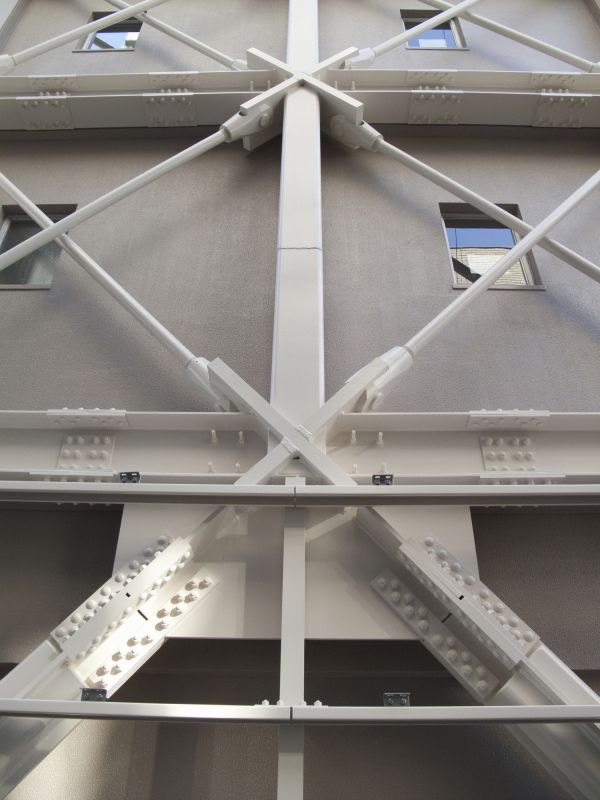
Various methods such as base isolators and shear walls are used in seismic retrofitting.

Completed seismic retrofitting enhances building resilience against earthquakes.
| Factor | Impact on Timing |
|---|---|
| Seismic activity levels | Low activity periods are ideal for retrofitting. |
| Building age and condition | Older structures may require retrofitting during scheduled renovations. |
| Regulatory requirements | Updated codes can prompt retrofitting at any time. |
| Occupancy schedules | Retrofitting can be scheduled during low occupancy periods. |
| Budget considerations | Financial planning influences timing, often during planned upgrades. |
| Structural assessment results | Urgent needs may accelerate retrofit timing. |
Seismic retrofitting enhances a building's ability to withstand earthquakes, reducing potential damage and safety risks. The process involves strengthening structural elements such as foundations, walls, and frames. Statistics indicate that retrofitted buildings are significantly more likely to survive seismic events with minimal damage, preserving life safety and reducing repair costs. Implementing retrofitting proactively can also align with building code updates, avoiding costly emergency repairs later.

Advanced materials used in retrofitting improve structural performance.

Visual comparison of structural upgrades shows significant improvements.
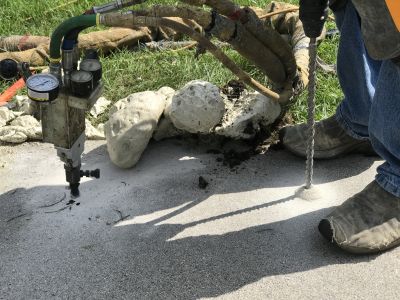
Specialized tools and equipment are used for effective seismic reinforcement.
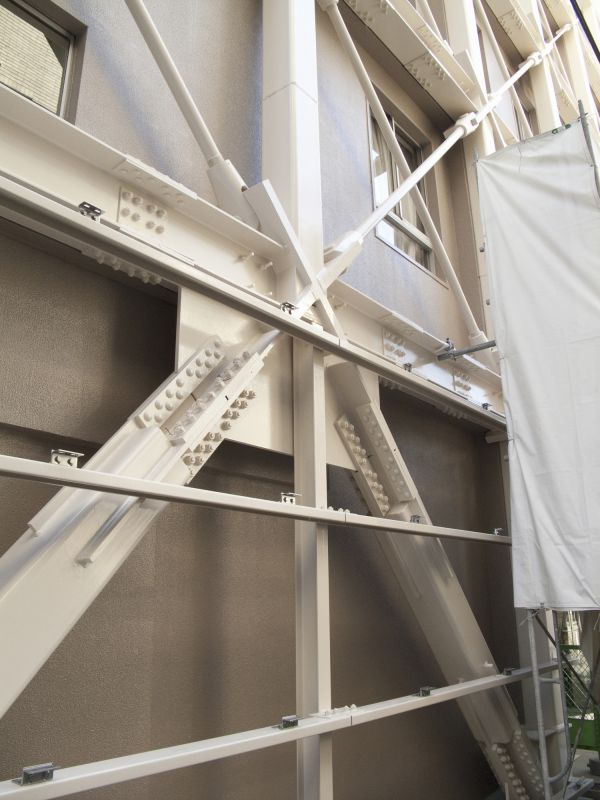
Seismic retrofitting projects are carefully managed to ensure safety and compliance.

Ways to make Seismic Retrofitting Service work in tight or awkward layouts.

Popular materials for Seismic Retrofitting Service and why they hold up over time.
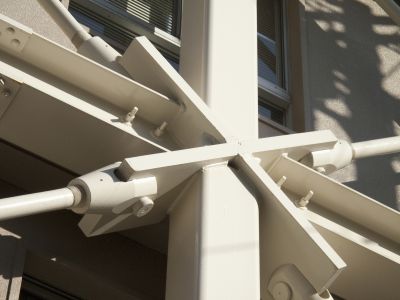
Simple add-ons that improve Seismic Retrofitting Service without blowing the budget.

High-end options that actually feel worth it for Seismic Retrofitting Service.
For optimal safety and cost-efficiency, seismic retrofitting should be scheduled during periods of low seismic risk or during planned building upgrades. Early action not only minimizes potential damage but also ensures compliance with evolving safety standards. Building owners and managers are encouraged to evaluate structural assessments regularly and plan retrofitting accordingly. Interested parties should consider consulting with seismic safety professionals to determine the most suitable timing for retrofit projects.